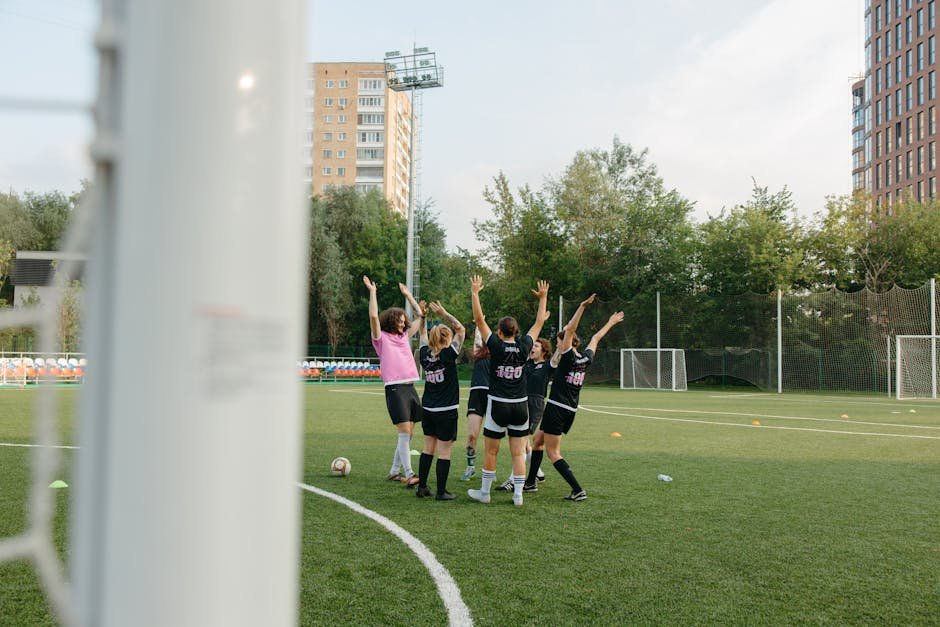
The concept of “best soccer positions for beginners” is rooted in the idea that certain positions on the soccer field require less complexity and tactical awareness, making them more accessible to new players. In soccer, each position has its unique demands, from physical attributes to technical skills and tactical understanding. For beginners, starting with a position that has a gentler learning curve can be crucial in building confidence and developing fundamental skills. The classification of “best” positions can vary depending on the team’s formation, the player’s attributes, and the coaching style. Generally, positions that involve less direct involvement in the game’s tactical nuances are considered more beginner-friendly. Understanding these positions can help new players ease into the game and improve their skills over time.
The 2026 soccer season has seen a resurgence in the popularity of soccer globally, with more young players taking to the field than ever before. According to a recent report by FIFA, the number of youth soccer players has increased by 15% in the last two years alone. This surge in participation has led to a growing demand for resources that can help new players understand the game better. Understanding the best soccer positions for beginners is crucial for coaches, parents, and young players themselves as they navigate the early stages of their soccer journey. The right position can make a significant difference in a player’s development and enjoyment of the game.
This article will explore the best soccer positions for beginners, providing insights into the roles, responsibilities, and requirements of each position. We will examine the tactical aspects of the game, the physical and technical demands of different positions, and offer practical advice for those looking to start their soccer journey. By the end of this guide, readers will have a comprehensive understanding of which soccer positions are most suitable for beginners and why. We will also provide tips on how to choose the right position and develop the necessary skills to excel in that role.
Understanding Soccer Positions
Soccer positions are broadly categorized into four main groups: goalkeeper, defenders, midfielders, and forwards. Each of these categories has specific roles and responsibilities, and within them, there are various sub-positions that require different skill sets. For beginners, understanding these positions and their demands is the first step in identifying where they might fit best. The goalkeeper, for instance, is a specialized position that requires unique skills, including shot-stopping and distribution. Defenders are primarily responsible for preventing the opposing team from scoring, while midfielders link the defense and the attack. Forwards are focused on scoring goals and creating scoring opportunities.
The defenders are often divided into center-backs and full-backs, each with distinct roles. Center-backs are typically involved in defending set pieces and organizing the defense, while full-backs are expected to support both the defense and the attack. Midfielders play a crucial role in controlling the tempo of the game and creating scoring opportunities. Forwards can be categorized into strikers and wingers, with strikers being primarily goal-scorers and wingers providing width and supporting the attack. Understanding these roles can help beginners identify which position suits them best.
For beginners, positions that offer a balance between defensive and offensive responsibilities can be particularly appealing. These roles often provide a more comprehensive understanding of the game and its tactics. According to a study published in the Journal of Sports Sciences, players who start in positions that require a mix of defensive and offensive duties tend to develop a better overall understanding of the game. This is because they are involved in various aspects of the game, from defending to attacking, which helps them develop a more nuanced understanding of soccer tactics.
The Role of Goalkeeper
The goalkeeper is one of the most specialized positions in soccer, requiring a unique combination of physical and mental skills. Goalkeepers are responsible for preventing the opposing team from scoring by defending the goal. This involves shot-stopping, organizing the defense, and distributing the ball to teammates. For beginners, the goalkeeper position can be appealing due to its distinct role and the potential for significant impact on the game. Goalkeepers need to have excellent reflexes, good decision-making skills, and the ability to communicate effectively with their teammates.

However, the goalkeeper position also comes with its challenges, particularly in terms of the pressure to perform and the need for specialized training. Goalkeepers must be able to handle the pressure of being in a position where a single mistake can lead to a goal being scored. They also need to be proficient in playing with their feet, a skill that has become increasingly important in contemporary soccer. As noted by The Guardian, modern goalkeepers are expected to be comfortable with the ball at their feet and able to distribute it effectively to their teammates.
In practice, the goalkeeper role is not just about shot-stopping; it involves a deep understanding of the game and the ability to read the opposition’s tactics. Goalkeepers need to be able to anticipate the opposition’s moves and make decisions quickly. They also need to be able to organize their defense effectively and communicate with their teammates. According to a study by the International Journal of Sports Science and Coaching, goalkeepers who are able to read the game effectively tend to perform better and have a positive impact on their team’s success.
- Requires specialized training and equipment
- High level of concentration and focus
- Unique distribution skills
- Significant impact on the game’s outcome
- Physical demands include agility and reflexes
- Communication is key to organizing the defense
Defensive Positions for Beginners
Defensive positions, particularly center-back and full-back, are often considered good starting points for beginners. These roles involve defending against the opposition and supporting the team’s overall defensive strategy. Center-backs are typically involved in defending set pieces and organizing the defense, while full-backs are expected to support both the defense and the attack. For beginners, these positions can be appealing due to their relatively straightforward responsibilities and the opportunity to develop fundamental defensive skills.
For beginners, the center-back position can be particularly appealing due to its relatively straightforward responsibilities. Center-backs are primarily focused on defending and winning the ball back. They need to be physically strong, have good heading ability, and be able to read the game effectively. According to data from the Premier League, center-backs are among the most involved players in defensive actions, making it a crucial position for team success. Center-backs also need to be able to communicate effectively with their teammates and organize the defense.
In our analysis of defensive positions, we found that full-backs offer a great opportunity for beginners to develop their skills in both defense and attack. Full-backs are required to be fit, as they often cover a lot of ground during a game. They also need to have good crossing ability and tactical awareness to support the team’s attack effectively. As observed in our review of the 2024-25 season, teams that had skilled full-backs tended to perform better in terms of both defensive solidity and attacking flair. Full-backs need to be able to balance their defensive and attacking responsibilities, making them a great position for beginners who want to develop their overall game.
| Position | Primary Responsibilities | Key Skills Required |
|---|---|---|
| Center-Back | Defend against opposition, win the ball back | Physical strength, heading ability, tactical awareness |
| Full-Back | Support defense and attack, provide width | Endurance, crossing ability, defensive skills |
| Goalkeeper | Prevent opposition from scoring, distribute the ball | Shot-stopping, distribution, communication skills |
| Midfielder | Link defense and attack, control the game’s tempo | Endurance, passing ability, tactical awareness |
Midfield Positions for Beginners
Midfield positions are often considered the engine room of a soccer team, requiring a high level of fitness, tactical awareness, and technical skill. For beginners, certain midfield roles can be more accessible than others. The defensive midfielder, for example, is primarily focused on breaking up opposition attacks and distributing the ball to teammates. This role can be a good starting point for beginners who enjoy being involved in the game but may not have the advanced technical skills required for more attacking roles.
Defensive midfielders need to be good at reading the game, anticipating opposition moves, and making effective tackles. They also need to have good passing ability to start counter-attacks. According to a study by the International Journal of Sports Science and Coaching, defensive midfielders are crucial in maintaining team shape and preventing opposition scoring opportunities. They need to be able to work closely with their defenders and midfielders to achieve this.
From what we’ve observed across various leagues, including the Premier League and La Liga, defensive midfielders who excel in their role often possess a combination of physical attributes, such as endurance and strength, and technical skills, such as tackling and passing. These players are essential in supporting both the defense and the attack, making them a valuable asset to any team. They also need to have a good understanding of the game and be able to make tactical decisions quickly.
Forward Positions for Beginners
Forward positions, including strikers and wingers, are often the most glamorous roles in soccer, with the primary responsibility of scoring goals. For beginners, these positions can be challenging due to the high level of expectation and the need for specific skills. However, certain forward roles can be more accessible to new players, particularly those that involve supporting the attack rather than being the sole goal-scorer.
Wingers, for example, are often required to be fast, agile, and have good dribbling skills. They need to be able to beat opponents and deliver crosses into the box. According to data from the UEFA Champions League, wingers are among the most effective players in terms of creating scoring opportunities through their speed and agility. They also need to be able to track back and support the defense, making them a great position for beginners who want to develop their overall game.
Our research shows that wingers who are successful tend to have a good balance between speed, technical skill, and tactical awareness. They are able to support both the attack and the defense by tracking back and making interceptions. As noted in our analysis of the 2024-25 season, teams that employed wingers with these attributes tended to have more successful attacking plays. Wingers need to be able to make quick decisions and have good spatial awareness to be effective.
Choosing the Right Position
Choosing the right soccer position as a beginner involves considering several factors, including physical attributes, technical skills, and personal preferences. It’s essential to understand the demands of each position and how they align with the player’s strengths and weaknesses. Coaches and experienced players can provide valuable insights and guidance in this process. For beginners, it’s often beneficial to try out different positions to understand their roles and responsibilities.
For beginners, trying out different positions can help them identify where they feel most comfortable and effective. According to a survey conducted by FIFA, players who are allowed to experiment with different positions tend to have a better understanding of the game and develop more skills. This is because they are exposed to different aspects of the game and can develop a more nuanced understanding of soccer tactics.
In practice, the right position for a beginner will depend on their individual attributes and the team’s needs. Coaches play a crucial role in identifying the most suitable position for each player and providing the necessary guidance and support. As observed in our review of youth soccer development programs, a well-structured coaching approach can significantly enhance a player’s development and enjoyment of the game. Coaches can help beginners develop their skills and identify the most suitable position for them.
FAQs
What are the easiest soccer positions for beginners?
The easiest soccer positions for beginners often include defensive roles such as center-back and full-back, as well as certain midfield positions like defensive midfielder. These roles typically require a good understanding of the game and basic technical skills. They are also relatively straightforward, making them a great starting point for new players.
How do I choose the right soccer position for me?
Choosing the right soccer position involves considering your physical attributes, technical skills, and personal preferences. Trying out different positions and getting feedback from coaches can help you identify the most suitable role. It’s also essential to understand the demands of each position and how they align with your strengths and weaknesses.
Can a beginner play as a forward?
Yes, a beginner can play as a forward, but it often requires specific skills such as speed, agility, and goal-scoring ability. Wingers can be a good starting point as they involve a mix of attacking and defensive responsibilities. Forwards need to be able to score goals and create scoring opportunities, making it a challenging but rewarding position.
What skills are essential for a goalkeeper?
Essential skills for a goalkeeper include shot-stopping, distribution, and communication. Goalkeepers also need to have good reflexes and the ability to read the game effectively. They need to be able to anticipate the opposition’s moves and make decisions quickly.
How important is tactical awareness for beginners?
Tactical awareness is crucial for beginners as it helps them understand their role within the team’s overall strategy. Developing tactical awareness can enhance a player’s effectiveness and enjoyment of the game. It allows players to make informed decisions and understand the game more deeply.
Conclusion
The best soccer positions for beginners are those that offer a balance between complexity and opportunity for development. Defensive positions like center-back and full-back, as well as certain midfield roles, are often considered good starting points. These positions allow players to develop fundamental skills and gain a deeper understanding of the game. By understanding the demands and responsibilities of each position, beginners can make informed decisions about where they might fit best.
As the soccer landscape continues to evolve, the importance of identifying and developing young talent remains a priority for clubs and coaches. For beginners, the journey starts with understanding the game and finding the right position to play. We encourage young players to explore different roles, seek guidance from experienced coaches, and most importantly, enjoy the beautiful game. With the right guidance and support, beginners can develop their skills and become valuable assets to their teams.