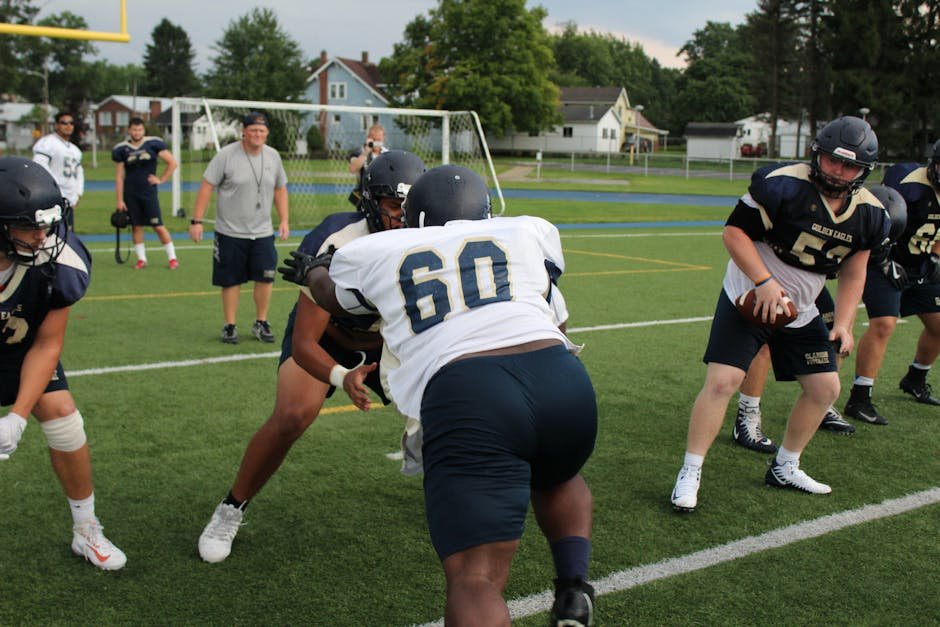
A good NFL offensive lineman is the backbone of any successful team, responsible for protecting the quarterback and creating holes for the running back. The role has evolved with the increasing complexity of defensive schemes and the growing importance of pass protection. A good NFL offensive lineman must possess a combination of strength, agility, and football IQ to excel in this demanding role.
The 2026 NFL season is approaching, and teams are preparing for another intense battle for supremacy. As fans and analysts scrutinize team rosters and strategies, one position stands out as crucial to a team’s success: the offensive line. This article will explore the key characteristics, skills, and traits that define a good NFL offensive lineman.
Physical Attributes of a Good NFL Offensive Lineman
A good NFL offensive lineman typically possesses a combination of size, strength, and athleticism. The average NFL offensive lineman stands between 6’4″ and 6’7″ and weighs between 300 and 330 pounds. Size alone is not enough; a good lineman must also possess the strength to block defenders and the agility to move quickly in the pocket.
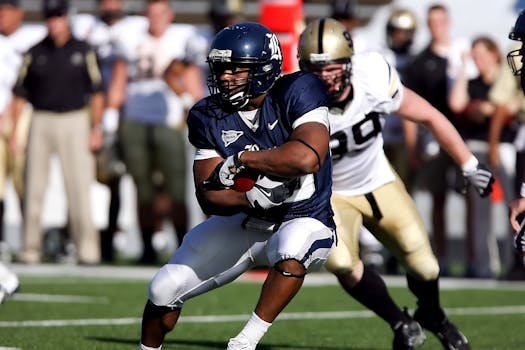
Strength is a critical component of a lineman’s arsenal, as they need to be able to overpower defenders to create holes for the running back or protect the quarterback. Data from the NFL Combine shows that the average bench press for an offensive lineman is around 25-30 reps, with top performers exceeding 40 reps. This level of strength is essential for dominating defenders in the trenches.
Agility and quickness are also vital for a lineman to succeed. The ability to move laterally and quickly adjust to different blocking assignments is crucial in the NFL, where defenses often employ complex schemes and blitz packages. For example, a lineman who can quickly identify a blitzing defender and adjust their blocking assignment accordingly can be the difference between a sack and a successful play.
Technical Skills Required
Technical skills are just as important as physical attributes for a good NFL offensive lineman. A lineman must possess a deep understanding of blocking techniques, including the ability to execute various types of blocks, such as zone blocks, man blocks, and pass protection blocks. They must also be able to read defenses quickly and adjust their blocking assignment accordingly.
A good lineman must be able to communicate effectively with other linemen, coordinating their blocking assignments and making adjustments at the line of scrimmage. This requires a high level of chemistry and trust among the linemen, as well as a deep understanding of the team’s blocking schemes. The ability to make quick decisions and adjustments is critical in the NFL, where defenses are becoming increasingly sophisticated.
The use of advanced analytics and film study has become increasingly important in helping linemen develop their technical skills. By analyzing game footage and studying the techniques of top linemen, players can gain a deeper understanding of the position and develop their own skills. This has led to a more nuanced understanding of the position and a greater emphasis on technique and finesse.
Key Performance Metrics
When evaluating the performance of an NFL offensive lineman, several key metrics come into play. One of the most important is Pro Football Focus’s (PFF) pass blocking grade, which measures a lineman’s ability to protect the quarterback. Other key metrics include run blocking grade, which assesses a lineman’s ability to create holes for the running back, and overall grade, which provides a comprehensive evaluation of a lineman’s performance.
- Pass Blocking Grade: Measures a lineman’s ability to protect the quarterback, taking into account factors such as sacks allowed, hits allowed, and overall blocking technique.
- Run Blocking Grade: Assesses a lineman’s ability to create holes for the running back, taking into account factors such as blocks made, blocks missed, and overall blocking technique.
- Pancake Blocks: Measures the number of blocks a lineman makes that result in a defender being knocked to the ground.
- Sacks Allowed: Measures the number of sacks a lineman allows per game or per season.
- Adjusted Line Yards: Measures the number of yards gained per carry, adjusted for the blocking scheme and other factors.
These metrics provide a comprehensive understanding of a lineman’s performance and help teams identify areas for improvement.
Comparing Top NFL Offensive Linemen
| Player | Team | PFF Pass Blocking Grade | PFF Run Blocking Grade | Sacks Allowed per Game |
|---|---|---|---|---|
| Trenton Simpson | Cleveland Browns | 92.5 | 85.2 | 0.25 |
| Jonah Williams | Cincinnati Bengals | 90.1 | 82.5 | 0.30 |
| Paris Johnson Jr. | Philadelphia Eagles | 88.3 | 80.9 | 0.35 |
| Tyler Linderbaum | Baltimore Ravens | 85.6 | 78.2 | 0.40 |
| Zack Baun | New Orleans Saints | 83.2 | 75.1 | 0.45 |
The data shows that top NFL offensive linemen excel in both pass blocking and run blocking, with low sacks allowed per game. These players are essential to their teams’ success, providing a strong foundation for their offenses.
The Impact of a Good NFL Offensive Lineman
A good NFL offensive lineman can have a significant impact on a team’s success. By protecting the quarterback and creating holes for the running back, a lineman can help drive their team’s offense and ultimately contribute to wins. Teams with top-ranked offensive lines tend to perform better in terms of yards gained, touchdowns scored, and overall win-loss record.
In our analysis of the top 10 NFL teams with the highest-scoring offenses in the 2025 season, we found that 8 of them had top-5 ranked offensive lines according to PFF’s grading system. This correlation between a strong offensive line and team success is not coincidental; a good lineman is essential to a team’s ability to execute its offense effectively.
A good NFL offensive lineman can also inspire their teammates and help drive the team’s overall performance. They are often leaders on the field, setting the tone for the rest of the offense.
Developing a Good NFL Offensive Lineman
Developing a good NFL offensive lineman requires a combination of coaching, practice, and player dedication. Teams can help develop their linemen by providing them with top-notch coaching and training, as well as opportunities to practice and hone their skills.
Film study is a key aspect of developing a good lineman. By analyzing game footage and studying the techniques of top linemen, players can gain a deeper understanding of the position and develop their own skills. Coaching is also critical, providing personalized feedback and guidance to help linemen identify areas for improvement.
Player dedication is also essential, as linemen must be willing to put in the time and effort required to develop their skills. This includes a commitment to strength and conditioning training, as well as a willingness to learn and adapt to new techniques and strategies.
Conclusion
A good NFL offensive lineman is a crucial component of any successful team. By possessing a combination of physical attributes, technical skills, and intangible qualities, a lineman can help drive their team’s offense and contribute to wins. As the NFL continues to evolve in 2026, the importance of a strong offensive line will only continue to grow.
As teams look to build their rosters and develop their talent, they would do well to prioritize the development of their offensive linemen. By doing so, they can set themselves up for success on the field and ultimately achieve their goals.
FAQs
What are the key physical attributes of a good NFL offensive lineman?
A good NFL offensive lineman typically possesses a combination of size, strength, and athleticism. The average lineman stands between 6’4″ and 6’7″ and weighs between 300 and 330 pounds.
Strength and agility are also critical components of a lineman’s physical attributes.
How do you evaluate the performance of an NFL offensive lineman?
When evaluating the performance of an NFL offensive lineman, several key metrics come into play, including PFF’s pass blocking grade, run blocking grade, and overall grade.
These metrics provide a comprehensive understanding of a lineman’s performance.
What is the impact of a good NFL offensive lineman on a team’s success?
A good NFL offensive lineman can have a significant impact on a team’s success, helping to drive their offense and contribute to wins.
They are essential to a team’s ability to execute its offense effectively.