
New NFL Kickoff Rules Explained: Everything You Need to Know for 2026
The NFL has introduced new kickoff rules for the 2026 season, marking a significant change in the way teams approach one of the most exciting plays in football. The new rules aim to improve player safety while maintaining the excitement of the game. Understanding these changes is crucial for fans, coaches, and players alike. The new kickoff rules will be implemented starting with the 2026 preseason games.
As we explore the specifics of the new NFL kickoff rules, we’ll examine what they mean for the game, how they’ll be enforced, and what teams can expect. This article will break down the key aspects of the new rules, providing insight into their implications and potential impact on the 2026 season. By the end of this article, readers will have a comprehensive understanding of the changes and be better equipped to follow the action on the field. The focus keyword for this discussion is “what are the new NFL kickoff rules explained.”
The Background: Why Change Kickoff Rules?
The NFL has been working to improve player safety for years, and the new kickoff rules are part of this ongoing effort. Kickoffs have long been recognized as one of the most dangerous plays in football, with high-speed collisions between players. According to a study by the NFL Players Association, kickoff returns account for a disproportionate number of serious injuries, including concussions and other head trauma. The new rules aim to reduce the number of high-speed collisions while maintaining the excitement of the kickoff return.
The NFL analyzed data from previous seasons to identify areas where changes could be made to improve safety. The league considered various options before settling on the new rules, which represent a compromise between safety concerns and the desire to maintain the strategic complexity of the kickoff. Dan Campbell, NFL executive vice president of player safety, noted that the league is trying to find a balance between safety and excitement.
The changes are expected to have a significant impact on team strategies, particularly in how they approach kickoff returns and coverage. Coaches will need to adapt their game plans to take advantage of the new rules, while players will need to adjust their techniques to ensure they’re in compliance. For instance, teams may need to rethink their return strategies and coverage schemes to account for the new kickoff formation and blocking restrictions.
Key Changes to NFL Kickoff Rules Explained
One of the primary changes to the NFL kickoff rules is the new kickoff formation. Under the new rules, the kicking team will line up with at least 10 players between the 35- and 45-yard lines, rather than the traditional alignment near the kicking team’s 35-yard line. This change is designed to reduce the number of high-speed collisions by having players start closer together.
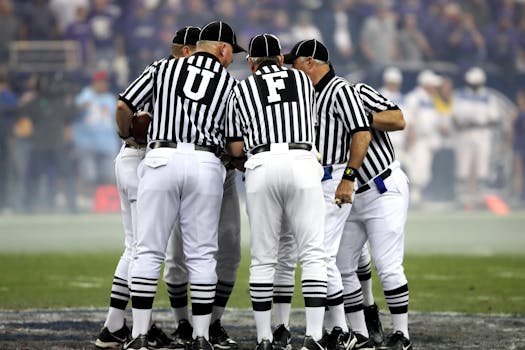
The receiving team will also have a new alignment, with at least nine players in a “setup zone” between the 30- and 35-yard lines. This will allow for more controlled returns and reduce the number of players running at full speed towards each other. The new alignment will require teams to rethink their return strategies and coverage schemes. Teams will need to use this new formation to their advantage, potentially leading to more creative return strategies.
Another key change is the prohibition on certain types of blocks. The new rules will restrict the types of blocks that can be made during kickoff returns, with a focus on reducing the number of high-impact hits. This change is expected to reduce the number of injuries on kickoff returns. The NFL will be monitoring the impact of these changes and making adjustments as needed to optimize player safety.
Impact on Game Strategy
The new kickoff rules will likely lead to more fair catches, as return teams may be less inclined to risk injury by attempting to return kicks. This could result in more touchbacks and fewer return opportunities. Teams will need to adapt their coverage schemes to account for the new kickoff formation, potentially using more zone coverage or adjusting the alignment of their wedge blockers.
Coaches will need to carefully consider when to attempt to return kicks and when to opt for a fair catch. The decision will depend on a variety of factors, including the returner’s skills and the coverage team’s alignment. Special teams units will need to be retrained to adapt to the new rules, with a focus on safe and effective techniques for both the kicking and receiving teams.
The new rules may also lead to more creative return strategies, as teams look for ways to exploit the new alignment and blocking rules. For example, teams may use the new formation to create mismatches or exploit weaknesses in the coverage team’s alignment. By examining team strategies and player performances, we can gain insight into the potential long-term impact of these changes.
Comparative Analysis: Old vs. New Rules
| Aspect | Old Rules | New Rules |
|---|---|---|
| Kickoff Formation | Kicking team lines up near 35-yard line | Kicking team lines up between 35- and 45-yard lines |
| Receiving Team Alignment | Variable alignment | At least 9 players between 30- and 35-yard lines |
| Blocking Restrictions | Fewer restrictions on blocks | Prohibition on certain types of blocks |
| Expected Outcome | More high-speed collisions | Fewer high-speed collisions, more controlled returns |
| Strategic Impact | More emphasis on return specialist skills | More emphasis on coordinated return strategies |
The comparative analysis highlights the key differences between the old and new rules. By understanding these changes, teams can better adapt their strategies to comply with the new regulations.
The new rules are expected to have a significant impact on the game, particularly in terms of player safety. By reducing the number of high-speed collisions, the NFL hopes to reduce the number of injuries on kickoff returns.
Statistical Context: Kickoff Returns and Injuries
A recent study by the NFL found that kickoff returns account for approximately 3% of all plays but result in around 11% of all concussions. The data suggests that the new rules could have a significant impact on reducing injuries. In the 2025 season, there were 245 reported concussions on kickoff returns, highlighting the need for change.
The NFL’s data analysis showed that the majority of serious injuries on kickoff returns occurred when players were running at high speeds towards each other. By changing the kickoff formation and restricting certain types of blocks, the league hopes to reduce the number of these high-impact collisions. The new rules are a step in the right direction, but the NFL will continue to monitor the impact of the changes and make adjustments as needed.
As the league continues to prioritize player safety, the new kickoff rules are an important step forward. By reducing the number of high-speed collisions, the NFL can create a safer and more sustainable game for players.
Coaching Adaptations and Player Safety
Coaches will play a crucial role in adapting to the new kickoff rules. They’ll need to develop new strategies for both kickoff coverage and returns, taking into account the changed alignment and blocking rules. This may involve more emphasis on situational awareness and decision-making on special teams.
Players will also need to adjust their techniques to comply with the new rules. Return specialists will need to be aware of the changed blocking schemes and adjust their routes accordingly. Coverage players will need to be trained on the new alignment and how to effectively cover returns without putting themselves or others at risk.
The NFL will be monitoring the impact of the new rules on player safety and making adjustments as needed. The league’s commitment to reducing injuries while maintaining the excitement of the game is evident in the new kickoff rules. By working together, coaches, players, and the NFL can create a safer and more enjoyable game for everyone.
Conclusion
The new NFL kickoff rules represent a significant change for the 2026 season, with a focus on improving player safety while maintaining the strategic complexity of the game. Teams will need to adapt their strategies and techniques to comply with the new regulations, and fans will need to adjust their expectations for kickoff returns.
As the season progresses, we’ll gain a better understanding of how the new rules impact the game. By examining team strategies and player performances, we can gain insight into the potential long-term impact of these changes. The new kickoff rules are an important step forward for the NFL, and their effects will be closely watched by fans and analysts alike.
FAQs
What are the main changes to NFL kickoff rules for 2026?
The main changes include a new kickoff formation with the kicking team lining up between the 35- and 45-yard lines, a specific alignment for the receiving team, and restrictions on certain types of blocks during kickoff returns. These changes are designed to reduce the number of high-speed collisions and improve player safety.
How will the new kickoff rules affect player safety?
The new rules are designed to reduce the number of high-speed collisions on kickoff returns, which should lead to fewer injuries, particularly concussions and other head trauma. By changing the kickoff formation and restricting certain types of blocks, the NFL hopes to create a safer game for players.
Will the new kickoff rules change the way teams approach special teams strategy?
Yes, teams will need to adapt their special teams strategies to comply with the new rules, potentially leading to more fair catches, different return strategies, and adjusted coverage schemes. Coaches will need to develop new strategies for both kickoff coverage and returns, taking into account the changed alignment and blocking rules.